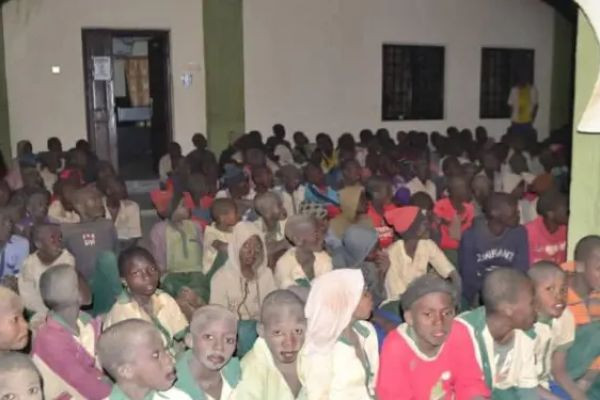
Nigeria’s education system is increasingly being shaped by fear as rising insecurity continues to endanger students, teachers and learning institutions nationwide. From rural primary schools to major universities and transport corridors, the pursuit of education is becoming a risky undertaking many families can no longer ignore.
A recent analysis by international child-rights organisation, Save the Children, reveals a troubling surge in school-related kidnappings across the country since January 2024. Using media reports and data from the Armed Conflict Location and Event Data Project (ACLED), the organisation recorded at least 10 major abduction incidents linked to schools within two years, affecting more than 670 children.
The trend is worsening. In the past month alone, no fewer than 325 students and school staff were abducted in two separate attacks, highlighting the growing vulnerability of learning spaces. One of the most devastating incidents occurred in March 2024 in Kaduna State, where 287 students and a teacher were seized in a single raid.
Although mass abductions such as the 2014 Chibok schoolgirls tragedy have faded from global headlines, attacks on schools have never truly stopped. Instead, they have become a persistent security threat, particularly in northern Nigeria, where bandits, criminal gangs and armed groups exploit weak protection around schools and transit routes.
Fear Keeping Children Out of Classrooms
Beyond the immediate trauma of kidnappings, the wider impact on education is severe. Save the Children estimates that about 19 million Nigerian children—roughly 27 per cent of the school-age population—are currently out of school. While poverty and cultural barriers play a role, fear of violence and abduction has emerged as a major driver.
Across many communities, parents now face a painful dilemma between education and safety. Some schools have shut down after attacks, while others operate sporadically or under heavy security, disrupting learning and discouraging attendance.
Duncan Harvey, Save the Children’s Country Director in Nigeria, warned that the crisis requires urgent national attention.
“School should be a safe haven and a place where a child can dream of a better future. It should never be where children’s and parents’ worst nightmares come true,” Harvey said.
“When a school is attacked, it’s not just walls that fall; a child’s safety, dreams and future fall with them.”
Policy Commitments, Weak Execution
Nigeria is not without commitments. In 2015, the country endorsed the Safe Schools Declaration (SSD), pledging to protect education during armed conflict and prevent the military use of school facilities. Since then, several frameworks have been introduced to safeguard students, teachers and infrastructure.
However, education advocates argue that implementation remains weak, especially at state and local levels. Poor funding, limited enforcement, low awareness of safety protocols and weak institutional capacity continue to undermine protection efforts.
This gap between policy and practice is increasingly evident as attacks now occur not only on school premises but also along travel routes—affecting students heading for examinations, admissions processes and even national service postings.
A National Education Emergency
Analysts warn that persistent attacks on education threaten to reverse years of progress in literacy, skills development and youth empowerment. More critically, they risk Nigeria’s long-term social stability as millions of children are denied structured learning and exposed to cycles of poverty and violence.
Save the Children, which has operated in Nigeria since 2001 and expanded its humanitarian response after the 2014 crisis, continues to support affected communities through education programmes, child protection services and policy advocacy. The organisation is also providing technical assistance to strengthen reforms in safe schools, health and social protection.
Yet observers insist that safeguarding education must move beyond policy statements to coordinated, well-funded action involving federal and state governments, security agencies, school authorities, communities and international partners.
Until that happens, for millions of Nigerian children, the simple act of going to school will remain an uncertain journey—one taken under the weight of fear rather than hope.
follow us on whatsapp
https://whatsapp.com/channel/0029VaAOIUe9mrGeBhrju12b
Download our Mobile App for easy access
https://play.google.com/store/apps/details?id=com.edutvmobile.ng&hl=en
Mobile App Lite
https://play.google.com/store/apps/details?id=com.edutvng.lite
https://play.google.com/store/apps/details?id=com.edutvmobile.ng&hl=en
Follow us on Youtube
https://youtube.com/@edutvnigeria
Follow us on LinkedIn -
https://ng.linkedin.com/company/edutvnigeria
Follow us on Instagram
https://instagram.com/edutvnigeria
Follow us on Facebook
https://www.facebook.com/edutvnigeria/