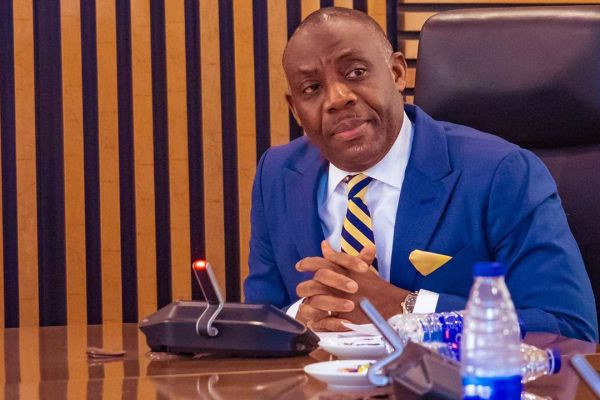
The Federal Government has unveiled plans for a major overhaul of Nigeria’s basic education system, including the gradual abolition of the Junior Secondary School Common Entrance Examination and the introduction of a national identification system to track pupils throughout their academic journey.
Minister of Education, Tunji Alausa, announced the proposed reforms during a media briefing in Lagos, explaining that the initiative is designed to strengthen accountability, improve student retention, and ensure more children transition successfully from primary to secondary school.
Under the proposed framework, the traditional common entrance examination will be phased out and replaced with a Continuous Assessment (CA) system. This model will evaluate pupils’ academic performance from their early years in primary school rather than relying on a single examination to determine their progression.
According to the minister, the Continuous Assessment system will follow a pupil throughout their education, even if they transfer from one school to another. This will ensure that a child’s academic record remains intact and accessible across institutions.
A key feature of the reform is the introduction of a Learner Identification Number (LIN) for every pupil. The unique number will serve as a permanent academic identity for each child, enabling education authorities to monitor their progress and detect early signs of dropout.
Officials say the initiative is necessary to address a troubling gap in Nigeria’s education system. While the country has over 23 million pupils enrolled in more than 50,000 public primary schools, only a small fraction proceed to junior secondary school, leaving millions of children unaccounted for within the formal education system.
Education authorities believe the new tracking system will help identify students who fail to move to the next academic level, allowing the government to intervene early and address the factors responsible for school dropouts.
The minister also called on state governments to expand educational infrastructure by building more schools to accommodate the growing number of learners nationwide.
In addition, the Federal Government plans to revitalise the school feeding programme as part of broader efforts to encourage enrolment, particularly among children from low-income families.
The reforms form part of a wider strategy to strengthen Nigeria’s education sector, improve access to schooling, and ensure more children complete their basic education.
follow us on whatsapp
https://whatsapp.com/channel/0029VaAOIUe9mrGeBhrju12b
Download our Mobile App for easy access
https://play.google.com/store/apps/details?id=com.edutvmobile.ng&hl=en
Mobile App Lite
https://play.google.com/store/apps/details?id=com.edutvng.lite
https://play.google.com/store/apps/details?id=com.edutvmobile.ng&hl=en
Follow us on Youtube
https://youtube.com/@edutvnigeria
Follow us on LinkedIn -
https://ng.linkedin.com/company/edutvnigeria
Follow us on Instagram
https://instagram.com/edutvnigeria
Follow us on Facebook
https://www.facebook.com/edutvnigeria/